Building a stronger innovation ecosystem by connecting ideas, research, industry and capital to transform innovation
into market opportunities and contribute to a more competitive, knowledge-driven and future-ready economy for Bangladesh.
Institute of Health Economics, University of Dhaka
Main Topic Discussed
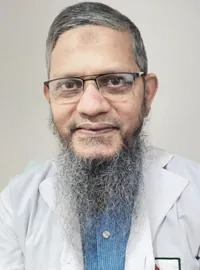
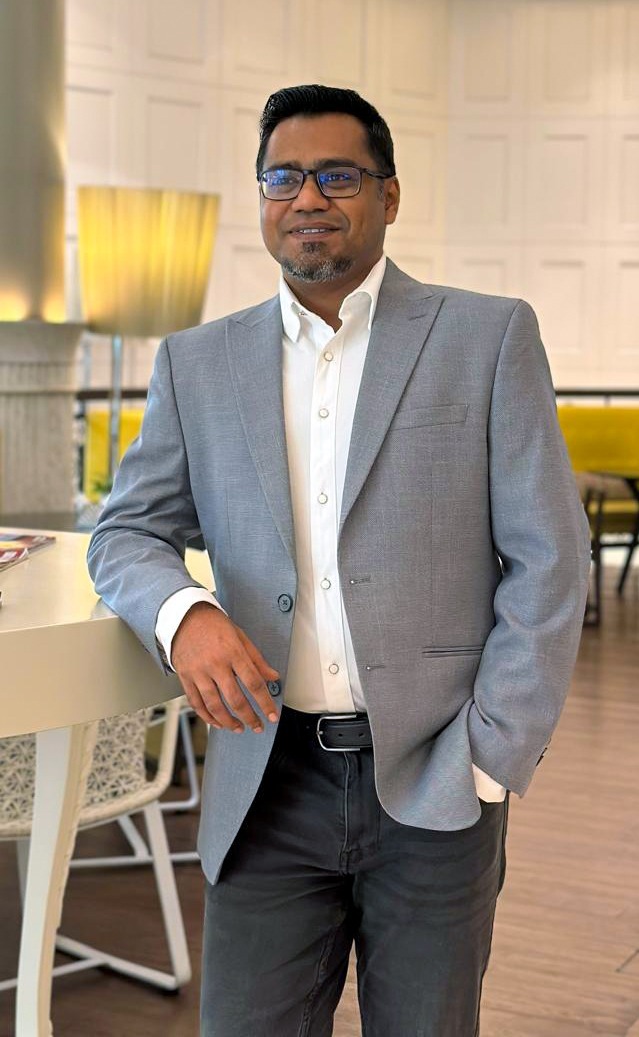
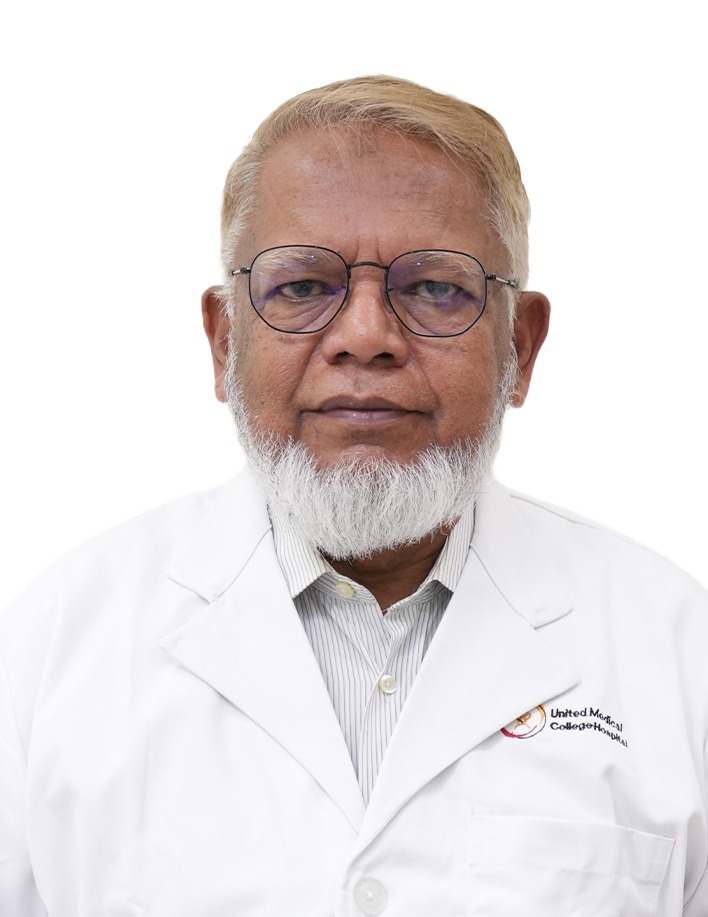
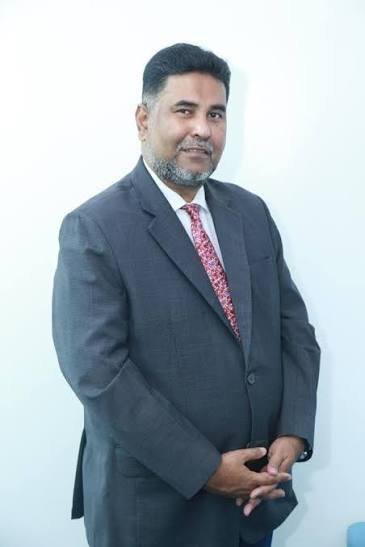
Setting the context, Moderator Ariful Hoque contrasted the lack of basic clinics on Saint Martin's Island with high-end breakthroughs like robotic surgery at United Healthcare.
Building local patient trust served as the foundation of Professor Dr. A. Q. M. Mohsen's talk. Following this, he explained how the Gastroenterology Society is working step-by-step to handle complex stomach and liver treatments locally.
Tracing the country's medical journey over the years, Dr. Arif Mahmud shared how private hospitals stepped up to take the huge patient load and bring in modern medical tools.
On the financial side, Professor Dr. Syed Abdul Hamid talked about the heavy money drain caused by patients traveling abroad and stressed the need for a working, complete healthcare system.
Turning to major operations, Professor Dr. Md. Kamrul Islam walked the audience through the real-world work of running large-scale, low-cost kidney transplant programs.
Key Challenges
Heavy staff shortages were highlighted first by Dr. Arif Mahmud, who noted that hospital doctors often have to rush through 50 patients in a few hours while a single nurse cares for 20 to 30 bed patients. Because health insurance is almost absent, he added that families face huge out-of-pocket costs that force them to sell land and home assets.
Tough legal rules have created fear among doctors, according to Professor Dr. Md. Kamrul Islam, who explained that allowing donations only from close blood relatives—along with threats of five-year jail terms and losing licenses—makes surgeons hesitant to do transplants.
Public spending misses the real mark, cautioned Professor Dr. Syed Abdul Hamid, pointing out that building new hospital structures means little if there are no machine repairs, testing chemicals, fuel, or balanced staff teams inside.
A deep lack of public trust remains a hurdle, noted Professor Dr. A. Q. M. Mohsen, who pointed out that the media quickly highlights medical mistakes while mostly ignoring local surgical successes.
Ideas and Solutions
A practical self-funding model—called the "Orchid Formula"—was presented by Professor Dr. Md. Kamrul Islam, where income from routine kidney stone surgeries covers hospital overheads to fund free or cheap transplants and check-ups for poor patients. To solve the donor crisis permanently, he called for using organs from brain-dead patients (cadaveric donation) in ICUs as the only ethical way forward.
To ease medical costs for citizens, Professor Dr. Syed Abdul Hamid suggested creating a National Health Fund funded equally by government budgets, corporate charity (CSR), and a tiny tax on mobile phone bills. Teaming up with the private sector, he and Dr. Arif Mahmud proposed Public-Private Partnerships (PPPs), such as giving public land to build private hospitals and letting private labs run round-the-clock testing inside government medical colleges.
Looking at community funds, Professor Dr. A. Q. M. Mohsen suggested asking private and Islamic banks to set aside a fixed share of their CSR funds, along with Zakat money, to pay for costly, life-saving surgeries.
Examples
Real proof of low-cost care came from Dr. Arif Mahmud, who pointed to the Center for Kidney Disease & Urology Hospital (CKDU) as proof that cheap transplant packages can work well without foreign aid. Looking at regional models, he mentioned India's Medanta hospital, where the government gave land so private doctors could build a world-class, affordable tertiary center.
Leading by personal example was raised by Professor Dr. Syed Abdul Hamid, who shared how former Malaysian Prime Minister Dr. Mahathir Mohamad chose to build local hospital capacity and have heart surgery at home instead of flying abroad.
Looking at neighboring countries, Professor Dr. A. Q. M. Mohsen mentioned Pakistan's system, where central Zakat funds pay the full cost for poor transplant patients. Reflecting on local history, he remembered the first liver transplant at BIRDEM sixteen years ago, explaining that earlier attempts stopped because they lacked continuous institutional backing.
Recommendations
A dedicated National Kidney Commission should be set up right away, urged Professor Dr. Syed Abdul Hamid, to verify real donors, stop illegal organ sales, and give living donors free lifelong health insurance. Top government officials and ministers must lead the way by taking treatment in local public hospitals to build citizen confidence, he insisted.
Working with religious and local community leaders was suggested by Professor Dr. Md. Kamrul Islam to clear up public fears and myths about donating organs after death.
Medical colleges should sign multi-year training deals with top universities in Japan, South Korea, or China, advised Dr. Arif Mahmud, to help local surgical teams learn advanced operations firsthand.
Specialty doctor groups were advised by Professor Dr. A. Q. M. Mohsen to review their clinical gaps closely and systematically fix them field by field so patients do not need to go overseas.
Important Facts or Numbers
Annual money loss from citizens going abroad for care is around $5 billion, according to Professor Dr. Syed Abdul Hamid.
Key workforce numbers were shared by Dr. Arif Mahmud: Bangladesh has only about 6 formal health workers per 10,000 people, has barely 100,000 nurses against a basic need of 300,000, and leaves over 70% of medical bills to direct cash payments. On a positive note, he shared that Bangladesh kept its COVID-19 death rate near 2%, much lower than the 4% to 8% seen in many Western and neighboring countries.
Actual surgery numbers were shared by Professor Dr. Md. Kamrul Islam: his hospital has done over 2,231 kidney transplants at roughly 2.15 Lakh Taka each, while giving free or low-cost monthly lab tests to 900 to 1,000 post-transplant patients. Looking at ICU capacity, he noted that if just 1% of deaths across Dhaka's 1,200 ICU beds became organ donors, it would save lives with 24 kidneys and 12 livers every month.
Liver healing capacity was explained by Professor Dr. A. Q. M. Mohsen: a person needs only 10 grams of liver tissue per kilogram of body weight, meaning a donor's liver regrows back to near-normal size within 6 to 8 weeks.
Follow-up / Commitments
Major clinical milestones are moving ahead: Professor Dr. A. Q. M. Mohsen announced that United Healthcare and the National GI Institute have signed an agreement with an overseas surgical team to start regular living-donor liver transplants by late 2024 or early 2025.
Policy talks remain active as Professor Dr. Syed Abdul Hamid and Professor Dr. Md. Kamrul Islam pledged to keep pushing government ministries for the National Health Fund and modern organ donation laws.
Other Important Points
The clinical skills of Bangladeshi doctors and nurses match global standards, affirmed Professor Dr. A. Q. M. Mohsen, who reminded everyone that the biggest roadblocks are bad management, slow paperwork, and poor logistics.
End of the Session
Top message 1: Advanced operations like robotic surgery and organ transplants are well within the skill of local doctors, but making them last requires matching clinical skill with working equipment, repair budgets, and enough nurses and technicians.
Top message 2: Ending the painful shortage of organs and stopping illegal black-market sales is only possible by moving toward organ donation from brain-dead patients in ICUs.
Top message 3: Heavy out-of-pocket medical bills can be lowered by using internal hospital cross-subsidies like the "Orchid Formula," setting up Zakat-backed funds, and building long-term public-private partnerships.
One key recommendation: Pass an updated, practical law for deceased (brain-dead) organ donation, backed by an independent National Organ Commission and public awareness campaigns to solve the donor shortage once and for all.