Find your registration Search the Innovation Fair

Innovation in Transport & Logistics Economy: Intelligent Mobility for Sustainable Future

Chief Guest
Mr. A B M Abdus Sattar

Mr. A B M Abdus Sattar

Principal Secretary to the Prime Minister, Prime Minister's Office
Moderator
Dr. M. Abu Eusuf

Dr. M. Abu Eusuf

Professor of Development Studies, University of Dhaka

Panelist
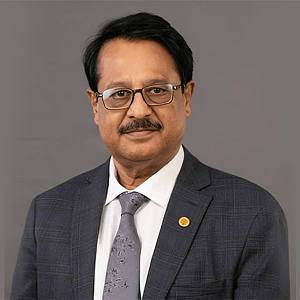
Mr. Habibur Rahman

Mr. Habibur Rahman

Chairman, Bangladesh Road Transport Authority (BRTA)

Panelist
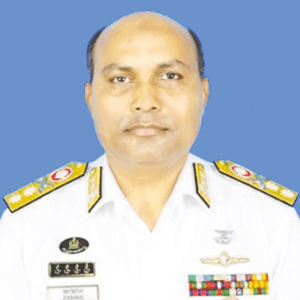
Rear Admiral S. M. Moniruzzaman, OSP, ndc, ncc, psc

Rear Admiral S. M. Moniruzzaman, OSP, ndc, ncc, psc

Chairman, Chattogram Port Authority

Panelist
Mr. Md Anisur Rahman

Mr. Md Anisur Rahman

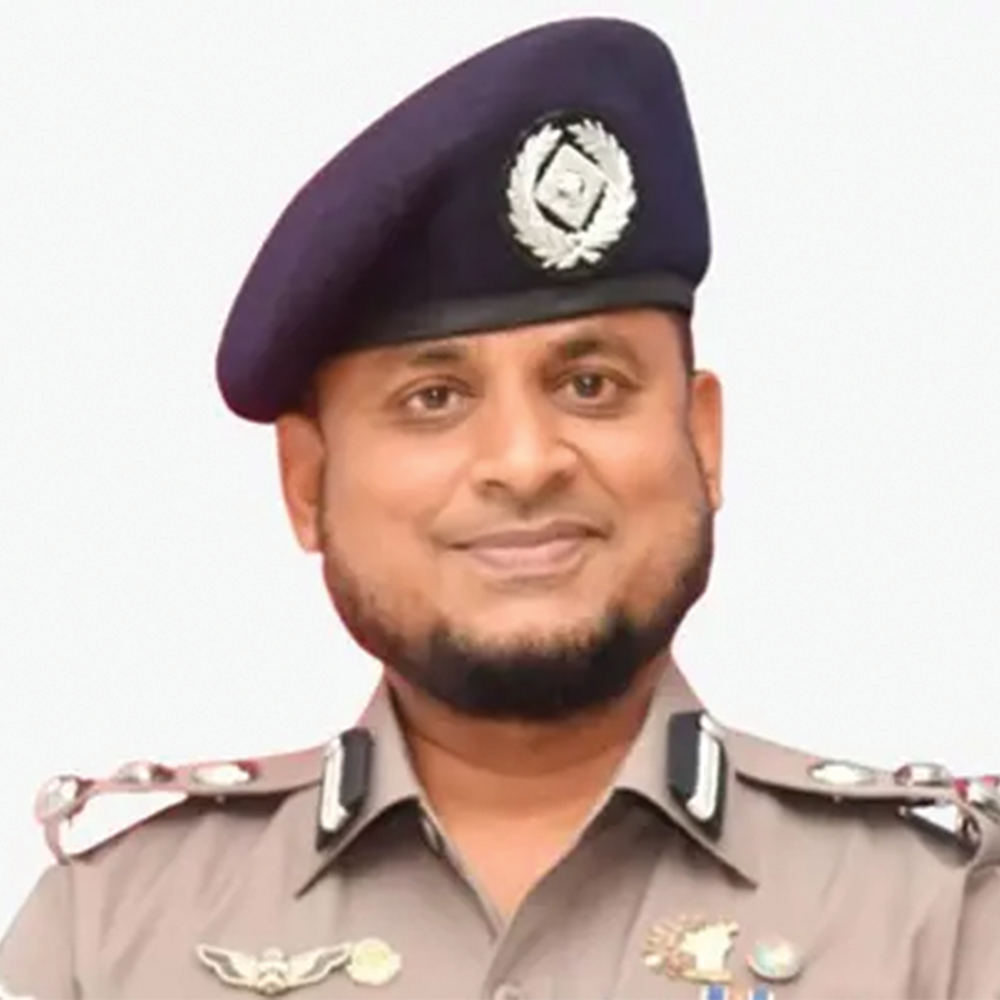
Additional Police Commissioner (Traffic), Dhaka Metropolitan Police (DMP)

Panelist
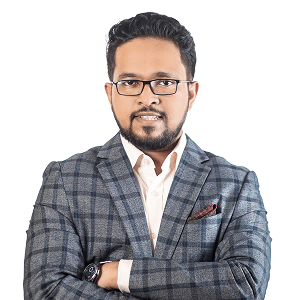
Amid Sakif Khan

Amid Sakif Khan

Managing Director, BYD Bangladesh

Panelist
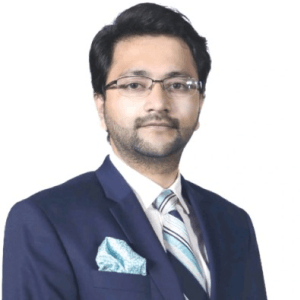
Zafir Shafir Chowdhury

Zafir Shafir Chowdhury

Cofounder, Bondstein

Main Topic Discussed
  1. Dhaka traffic management and AI: Md. Anisur Rahman, Additional Police Commissioner (Traffic), DMP, discussed scientific road management, AI-based enforcement, digital traffic systems, parking and the need to address the root causes of congestion.
  2. Port digitalization: Rear Admiral S. M. Moniruzzaman discussed paperless documentation, e-ticketing, electronic billing, tracking and integrated services at Chittagong Port.
  3. Electric mobility and renewable energy: Amid Sakif Khan, Managing Director, BYD Bangladesh, discussed EV adoption, solar charging and workforce training.
  4. Smart traffic technology: Zafir Shafir Chowdhury, Co-founder, Bondstein, discussed enforcement, behavioural change, intelligent traffic simulation and smart parking.
  5. Smart public transport: Mr. Habibur Rahman, Chairman, BRTA, discussed GPS tracking, electric buses, cashless payment and AI-based monitoring.
  6. Transport discipline and planning: A.B.M. Abdus Sattar, Principal Secretary, Prime Minister's Office, emphasized behavioural change and broader transport reforms in Dhaka.
Key Challenges
  1. Dhaka's road capacity: Md. Anisur Rahman said Dhaka has around 3.68 crore people but limited road capacity. Around 25% road space was cited as desirable for an ideal city, while Dhaka has less than 10%, further reduced by hawkers, illegal shops and parking. From Abdullahpur to the Secretariat, traffic police reportedly work at 71 points, with one officer managing around 656 vehicles.
  2. Lack of scientific traffic planning: Md. Anisur Rahman said road management should be based on traffic data and proper analysis rather than experimental approaches, stressing that technology cannot work effectively if basic traffic problems remain unresolved.
  3. Parking and infrastructure problems: he highlighted inadequate parking and the misuse of parking areas as shops, markets or warehouses, citing Hanif Flyover, where congestion remains on the road below despite improved movement on the elevated section.
  4. Port capacity and logistics: Rear Admiral S. M. Moniruzzaman said Chittagong Port is nearing capacity and requires modernization and better integration, and highlighted Bangladesh's relatively high logistics costs and the need to improve competitiveness.
  5. EV adoption: Amid Sakif Khan identified pressure on the national grid and the shortage of trained EV drivers and mechanics as key challenges.
  6. Technology adoption and traffic signals: Zafir Shafir Chowdhury highlighted resistance to technology adoption and inefficient traffic signal distribution, where some roads experience much longer queues than others.
Ideas and Solutions
  1. Digital traffic enforcement: Md. Anisur Rahman said AI cameras are installed at 15 signal points to detect violations and issue automatic fines; he also discussed vehicle QR codes for quick digital document verification, drones for identifying congestion causes, and bringing traffic signals under a coordinated system.
  2. Digital port services: Rear Admiral S. M. Moniruzzaman discussed paperless documentation, e-ticketing, electronic billing, AI cameras and real-time tracking, emphasizing integration through a single digital platform and one-stop service.
  3. EV and renewable energy: Amid Sakif Khan suggested solar-powered EV charging to reduce pressure on the national grid, alongside regular training for drivers and mechanics.
  4. Intelligent traffic simulation: Zafir Shafir Chowdhury proposed testing traffic solutions through computer simulation before implementing physical changes, using real traffic data to identify congestion, test signal timing, routes and lane management.
  5. Smart parking: camera-based systems to identify vacant spaces, detect unauthorized parking and guide drivers to available slots.
  6. Smart public transport: Mr. Habibur Rahman discussed mandatory GPS tracking, real-time bus information, cashless payment through Visa/Mastercard, NFC and QR codes, AI-based overloading detection, and plans for around 100 electric BRTC buses.
Examples Shared
  1. Babu Bazar Bridge: illegal shops and parking under the bridge were removed in August, also addressing poor lighting and security concerns.
  2. Hanif Flyover: used to show that improving one part of a road network does not necessarily remove congestion from the wider system.
  3. Chittagong Port: e-ticketing reduced truck processing time from 15–20 minutes to less than one minute; truck turnaround time fell by around 90 minutes; delivery-order processing dropped from 10–12 days to around 30 minutes; pre-export/import procedures fell from around five days to around 30 minutes.
  4. Bashundhara: Zafir Shafir Chowdhury cited stronger enforcement and fines as an example of behavioural change even without a fully operational AI system.
  5. EV training: Amid Sakif Khan highlighted driver and mechanic training as a way to create skills and employment opportunities around electric mobility.
Recommendations
  1. Md. Anisur Rahman recommended scientific traffic planning, stronger enforcement and better use of existing road space before relying on new technology.
  2. Rear Admiral S. M. Moniruzzaman recommended modernizing existing port infrastructure, integrating digital services and reducing logistics costs.
  3. Amid Sakif Khan recommended combining EV expansion with renewable energy and developing skilled EV drivers and mechanics.
  4. Zafir Shafir Chowdhury recommended using traffic simulation and smart parking while combining technology with enforcement and behavioural change.
  5. Mr. Habibur Rahman recommended wider use of GPS, digital payment, real-time passenger information and AI in public transport.
  6. A.B.M. Abdus Sattar emphasized public awareness and behavioural change as part of transport reform.
Important Facts and Numbers
~3.68 croreDhaka population
~4,000 kmCity/road network
<10% / ~25%Dhaka's road space vs. ideal-city benchmark
71 pointsTraffic points from Abdullahpur to the Secretariat
~656Vehicles managed per traffic officer
15 signalsLocations with AI enforcement cameras
15–20 min → <1 minTruck processing time at Chittagong Port
~90 minReduction in truck turnaround time
10–12 days → ~30 minDelivery-order processing time
~5 days → ~30 minPre-export/import procedure time
~15% → <10% targetLogistics cost, with 1% cut linked to 7.4% export growth
70 lakh / 24 lakhMotor vehicles nationally / in Dhaka
~100 busesPlanned electric BRTC bus fleet
Follow-up and Commitments
  1. Md. Anisur Rahman: AI camera installation and digital traffic enforcement are continuing; drone-based monitoring has also started.
  2. Rear Admiral S. M. Moniruzzaman: port digitalization, AI camera installation, tracking, electronic gates and integrated services are continuing; one-stop service started from 1 July.
  3. Amid Sakif Khan: solar-energy projects and regular EV driver/mechanic training are ongoing, with plans for wider expansion; discussions are continuing with schools and universities on traffic awareness, energy efficiency and technical courses.
  4. Zafir Shafir Chowdhury: expressed interest in supporting technology through public-private partnerships.
  5. Mr. Habibur Rahman: GPS monitoring for public transport is being implemented, alongside plans for electric buses.
Other Important Points
  1. Md. Anisur Rahman emphasized that traffic technology should follow proper problem identification and field analysis, not replace them.
  2. Rear Admiral S. M. Moniruzzaman stressed that port capacity can be improved through modernization, integration and a common digital dashboard, not infrastructure expansion alone.
  3. Amid Sakif Khan linked EV adoption with employment, skills development and national energy efficiency.
  4. Zafir Shafir Chowdhury emphasized that traffic congestion is a multifaceted issue requiring cooperation among government, industry and academia.
  5. Mr. Habibur Rahman highlighted digital monitoring as a way to improve public transport safety and passenger experience.
  6. A.B.M. Abdus Sattar said people must change their own behaviour alongside institutional changes, citing the challenge of managing motor vehicles, pedestrians and battery-powered rickshaws in Dhaka, the decision to remove rickshaws from certain areas, and plans to expand metro rail coverage.
  7. Audience members raised concerns about noise pollution and excessive honking, highlighting the need for greater public awareness.
Top Messages
  1. Scientific planning and proper enforcement must come before technology if Dhaka wants sustainable traffic management.
  2. Digitalization is already making Chittagong Port faster and more efficient by reducing manual processing and improving service integration.
  3. Future transport solutions need to combine AI, real-time data, smart infrastructure, electric mobility, renewable energy and behavioural change.
Key Recommendation

Prioritize the optimization of existing infrastructure through intelligent traffic management, real-time digital monitoring, and stronger enforcement, supported by public awareness and behavioural change.
Countdown

Happening Now

1351Days : 08Hours : 15Mins : 05Secs

Event Info

  • Time
    03:00 PM - 04:30 PM
  • Date
    September 13, 2026
  • Location
    Novo Theatre, Dhaka

Event Files