Bangladesh produces a large number of graduates each year, but the discussion centred on a persistent paradox: the country's real problem is a mismatch between what universities teach and what industry needs, not a shortage of graduates.
The National University, the country's largest public university, produces around 750,000 graduates annually and accounts for roughly 70% of national STEM education, yet it continues to face inadequate funding, poor laboratory facilities and a shortage of trained teachers.
Speakers pointed to a deep disconnect between universities and the private sector, calling for far greater collaboration on curriculum development, research, internships and employment. Women remain significantly underrepresented in STEM from school through university, requiring targeted and integrated policy responses. The session closed with calls for long-term national planning, greater diaspora engagement, and earlier introduction of ICT, English, Robotics, AI and Cybersecurity in schools.
Low STEM intake and graduate unemployment: STEM qualifications account for only around 12.3% of male and 8.0% of female graduates; unemployment among graduates rose from 4.9% in 2010 to 12% in 2022, with roughly 799,000 graduates unemployed last year.
Theory-practice gap: Education remains largely theoretical, with limited hands-on exposure, problem-solving or innovation built into the curriculum.
National University constraints: Limited funding, inadequate laboratories and insufficiently trained teachers remain major structural barriers.
Socio-economic barriers: Around 80% of students are pushed out of STEM by socio-economic pressures, with climate and disaster-related disruptions further limiting access to basic education.
Weak research and industry links: There is no large-scale university-industry research collaboration, and industry engagement in funding, internships and job creation remains limited.
1. Curriculum reform — make English and ICT mandatory, and introduce Robotics, AI and Cybersecurity from Classes 6–10, alongside integrating vocational/technical education with general education.
2. National Skills Registry — a national framework to register skilled manpower, particularly STEM graduates, matched against actual industry demand.
3. Industry-academia ecosystem — stronger local links so industries can communicate their needs and universities can prepare relevant talent.
4. Practical education — a shift from theory toward practical, technology-based, problem-solving learning, including "One Teacher One Tab" and multimedia classrooms.
5. Diaspora engagement — involving skilled Bangladeshis working abroad in policymaking and curriculum design.
6. Multi-sectoral approach — government, NGOs, private sector and academia jointly identifying skill demand and building the workforce to meet it.
1. Grameenphone — Tanveer Mohammad, Chief Corporate Affairs Officer: provides free Harvard courses and certificates to STEM students, and works with teachers at primary, high school and college level on AI and innovation; large-scale university collaboration is still to be developed.
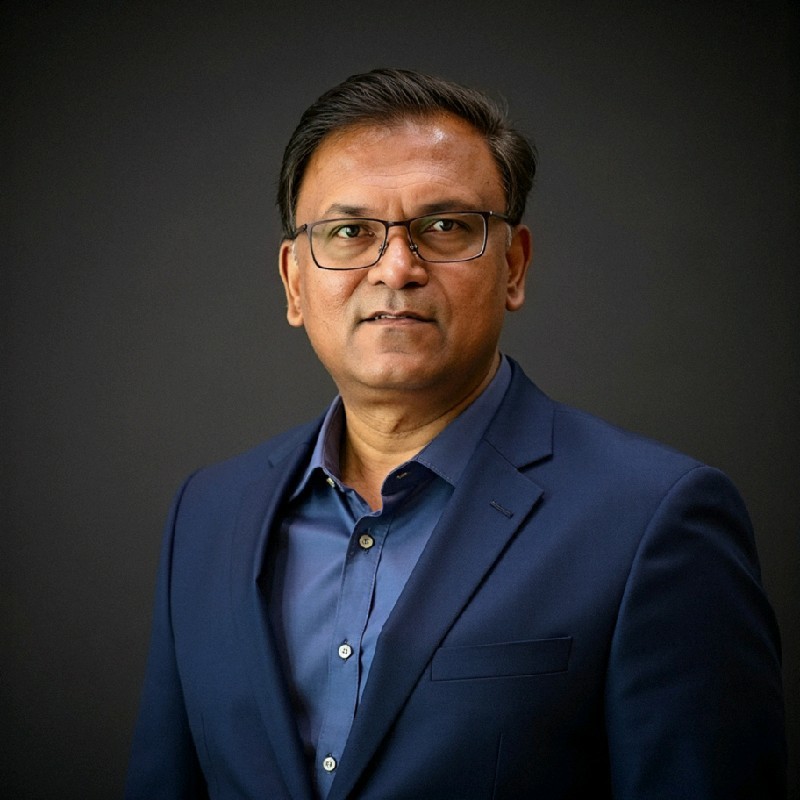
2. ACI Ltd — Dr. Arif Dowla, Vice Chairman: highlighted the lack of science-stimulating courses and Bangladesh's reliance on imported instruments due to limited local innovation, and stressed the need for industry to create opportunities for skilled graduates.
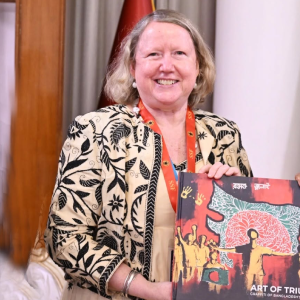
3. UNESCO — Dr. Susan Vize, Head of Office: emphasized an integrated approach to STEM education and greater participation of women.
4. National University — Prof. Dr. ASM Amanullah, Vice-Chancellor: highlighted the university's large graduate output but severe funding constraints, calling for a policy-level shift to address graduate unemployment.
5. UNDP — Ms. Maha Abu Emier, International Project Manager: emphasized that funding alone cannot close the skills gap — government, NGOs, private sector and academia must jointly map demand and develop skilled manpower.
A fundamental policy-level paradigm shift, moving education beyond producing job seekers toward developing problem-solvers, researchers and innovators.
Joint work by the Education Ministry and Science Ministry on a long-term — potentially 50-year — STEM and economic transformation plan.
Direct private-sector partnership with universities through funding, internships, apprenticeships, job creation and industry-led problem-solving.
Active inclusion of women and the skilled diaspora in STEM policy and decision-making.
Better research infrastructure, laboratories and instruments for universities, with industry bringing real-world problems for research and innovation.
1. Grameenphone — Tanveer Mohammad: will continue free courses and certificates, and is open to structured university engagement through labs, paid internships and industry problem-solving.
2. National University — Prof. Dr. ASM Amanullah: willing to pilot an industry-linked applied curriculum if suitable partners are identified.
3. Dr. Mahdi Amin, Adviser to the Prime Minister (Education and Primary & Mass Education): confirmed curriculum reforms are underway — AI, Robotics and Cybersecurity for Classes 6–10, plus "One Teacher One Tab" — and committed to involving the skilled diaspora in policymaking.
4. UNDP — Ms. Maha Abu Emier: will explore partnership models, catalytic finance and convening support through a multi-sectoral approach.
1. The moderator kept the discussion focused on specific commitments and actions rather than general explanations.
2. There was broad agreement that STEM is interdisciplinary and relevant well beyond engineering, and central to economic transformation.
3. Bangladesh faces a clear paradox: it produces graduates at scale, but industry readiness remains uneven because of policy, infrastructure and teaching gaps.
4. Bangladesh needs to move from being primarily a user of technology to an innovator, including by creating openings for small-scale industries to develop local technology.
1. Bangladesh's STEM education faces a major mismatch between graduate output and industry needs, requiring an urgent policy-level paradigm shift.
2. Industry-academia collaboration needs to be strengthened through joint curriculum development, research, internships and real-life problem-solving.
3. Inclusive and foundational reform is essential, particularly to increase women's participation and strengthen ICT, English and emerging technology education from an early stage.
Establish a National Skills Registry and a localized Industry-Academia Ecosystem to systematically map, develop and deploy STEM talent according to actual industry demand.