Find your registration Search the Innovation Fair

Powering Tomorrow: Innovative Solution for Clean and Alternative Energy

Chief Guest
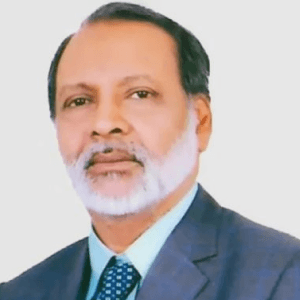
Mr. Zahir Uddin Swapan

Mr. Zahir Uddin Swapan

MP — Political Adviser to the Prime Minister

Keynote
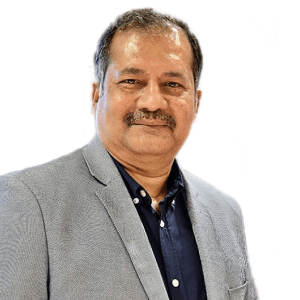
S. M. Monirul Islam

S. M. Monirul Islam

Managing Director (Acting), IDCOL

Moderator
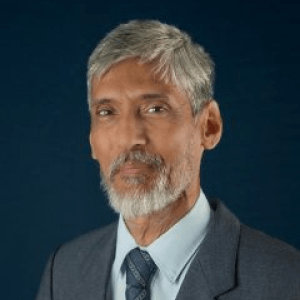
Dr. M. Rezwan Khan

Dr. M. Rezwan Khan

Professor Emeritus, Dept. of EEE & Executive Director, IAR

Panelist
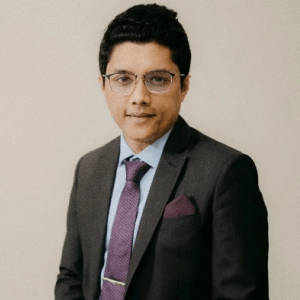
Md Touhidur Rahman Rad

Md Touhidur Rahman Rad

Sr. Executive Director & CBO @ Walton Digi-Tech Industries Limited

Panelist
Mr. Tobias Biermann

Mr. Tobias Biermann

Head of Section, Green Economy and Public Sector Investment

Panelist
Dr. Sebastian Groh

Dr. Sebastian Groh

founder and CEO, SOLshare, EcoFlow / a leading alternative-energy or cleantech startup

Panelist
Dr. Ijaz Hossain

Dr. Ijaz Hossain

Professor Department of Chemical Engineering Bangladesh University of Engineering & Technology (BUET)

Panelist
A N M Obidullah

A N M Obidullah

Member, Bangladesh Power Development Board (BPDB)

Panelist
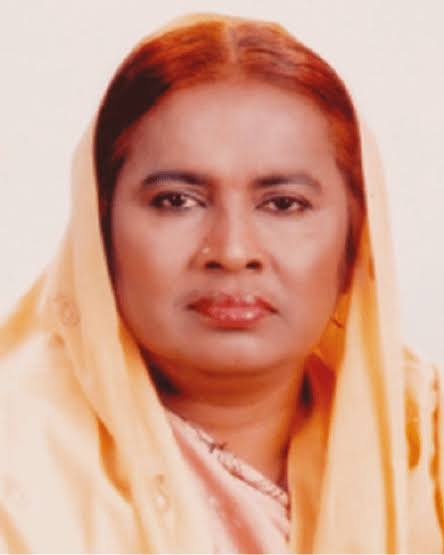
Professor Dr. Hosne Ara Begum

Professor Dr. Hosne Ara Begum

Executive Director, TMSS

Main Topic Discussed

  • The critical challenge of Bangladesh's energy landscape and the need for a green energy transition: Raised by Moderator Dr. M. Rezwan Khan and Chief Guest Mr. Zahir Uddin Swapan, MP.
  • IDCOL's institutional innovation and the Solar Home System (SHS) success story (5.2 million systems, 23 million beneficiaries): Presented by Keynote Speaker Mr. S. M. Monirul Islam (IDCOL).
  • The need for structured market development, quality benchmarks, and tailored unit economics for clean energy deployment: Raised by Mr. S. M. Monirul Islam (IDCOL) and Mr. Tobias Zeller (GIZ).
  • Grassroots implementation bottlenecks: hardware degradation, vendor accountability, net-metering inertia, and customs friction: Raised by Professor Dr. Hosne Ara Begum (TMSS).
  • The electric three-wheeler/easy-bike fleet as a grid asset: Lithium-ion conversion, off-peak charging, Vehicle-to-Grid (V2G), and geofencing: Presented by Mr. Tobias Zeller (GIZ).
  • Domestic manufacturing of solar components, inverters, and lithium cells; SRO No. 166 and Walton's $20 million battery facility: Raised by Mr. Md. Toufiqur Rahman (Walton Hi-Tech Industries PLC).
  • High-level political vision: technology as capital, actionable roadmaps over slogans, and the role of MoST as an intermediary: Raised by Chief Guest Mr. Zahir Uddin Swapan, MP.
  • Industrial energy efficiency: heat pumps, high-efficiency chillers (COP 6.0), AI-assisted environmental controls, and insulation: Raised by Professor Dr. Shamsuddoha (University of Dhaka).
  • Regulatory and consumer economics: GDP-energy correlation, subsidized tariffs, unregulated loads, and the centrality of household energy management: Raised by Mr. A. K. M. Wahidullah (BPDB).
  • EU's role and support: Global Gateway Initiative (€1.3 billion), €350 million renewable facility, grid modernization, and cross-border interconnection: Raised by Mr. Johannes van Mann (EU Delegation).
  • Net-metering, smart meters, and automated billing integration for rooftop solar: Raised by Audience Member Md. Noman (Ministry of Post, Telecom & ICT) and addressed by Moderator Dr. M. Rezwan Khan.
  • Alternative energy sources: biomass, waste-to-energy (1,000 MW potential), green hydrogen/ammonia, and wind (60 MW Cox's Bazar): Raised by Audience Member Farzana Yasmin, Mr. S. M. Monirul Islam (IDCOL), and Mr. Tobias Zeller (GIZ).
  • Rooftop solar economics: Levelized cost (BDT 5.50–6.00/kWh) vs. utility tariffs (BDT 8.50–10.00/kWh), and the 20:30:50 financing model: Raised by Audience Member Md. Akram Hossain and addressed by Mr. S. M. Monirul Islam (IDCOL).
  • The need for a tri-partite platform linking industry, academia, and government for energy resilience: Raised by Chief Guest Mr. Zahir Uddin Swapan, MP.

Key Challenges Mentioned

  • Access to finance: Long-term project finance gaps for renewable energy; commercial banks unable to assume risk for early-stage projects.
  • Structured market development gap: Uncoordinated, fragmented initiatives squander resources and create negative market perceptions when systems fail.
  • Hardware degradation and vendor accountability: Equipment deployed via low-bid procurement experiences premature inverter/cell failure with no technical recourse.
  • Regulatory and grid inertia: Utility field personnel often do not understand net-metering protocols, fail to calculate billing adjustments, and resist bidirectional grid synchronization.
  • Customs friction: Despite announced import duty relief, operational clearance procedures at ports remain bogged down.
  • Bank reluctance for non-metropolitan green finance: Scheduled commercial banks exhibit extreme reluctance to disburse concessional green finance for non-metropolitan initiatives.
  • Lead-acid battery pollution: Six million electric vehicles with toxic lead-acid batteries have made Bangladesh one of the most lead-polluted regions on earth.
  • Peak grid strain: Six million EVs (assuming 1 kW each) require 6 GW, equal to a third of the summer peak load of 18,000 MW.
  • Traffic safety and unregulated operation: High rates of structural accidents and unmonitored driving among electric three-wheelers.
  • Subsidized tariff distortions: Utility grids supply domestic consumers at subsidized, lower-tier tariffs, encouraging informal commercial operators to bypass commercial connections.
  • Industrial energy inefficiency: Traditional facilities rely on resistive heating and imported chillers with low COP (around 3.0), wasting energy and money.
  • Abandoned solar systems: During rural electrification, solar panels were often installed simply to meet regulatory prerequisites and abandoned once grid power arrived.
  • Green hydrogen/ammonia economics: Domestic conversion economics remain unproven; producing green hydrogen via solar electrolysis is energy-intensive.
  • Wind cost premium: Levelized costs for wind remain considerably higher than utility solar.
  • Fragmented policy execution: Progressive national policies exist, but operational gatekeepers frequently obstruct execution.

Ideas and Solutions

  • Institutional Innovation (IDCOL Model): A state-owned financial institution operating with private-sector agility to bridge long-term project finance gaps.
  • Solar Home System (SHS) Hire-Purchase Model: Redirecting kerosene expenditures toward monthly solar installments; establishing technical standards and after-sales servicing.
  • Domestic Rooftop Solar Program (20:30:50 Financing Model): 20% down payment by building owner, 30% equity by demand aggregators, 50% long-term concessionary refinancing by IDCOL.
  • Lithium-Ion Conversion for E-Mobility: Swapping lead-acid batteries for smart, IoT-enabled lithium-ion packs; boosts efficiency by 2.4 GWh and resolves ~80% of grid deficits.
  • Automated Off-Peak Charging: IoT handshakes prevent battery charging before 2:00 AM, avoiding evening system peaks.
  • Vehicle-to-Grid (V2G) Energy Storage: Vehicles charge during peak solar hours, discharge into grid during 6:00 PM–11:00 PM industrial peak, and recharge from baseload after 2:00 AM.
  • Digital Enforcement via Geofencing: IoT micro-controllers automatically shut down vehicles within 100 meters of restricted expressways.
  • Domestic Lithium-Cell Manufacturing (SRO No. 166): 1% concessionary import duty and zero VAT on raw components; Walton's $20 million facility producing 12 MWh/month.
  • Industrial Heat Pumps: Reduce electricity/fuel demand for heating by 50%–66%; operational savings amortize higher upfront cost within months.
  • High-Efficiency Industrial Chillers: Advanced Japanese systems with COP 6.0 (vs. 3.0) cut cooling energy in half.
  • AI-Assisted Environmental Controls & Insulation: Automated HVAC modulation based on occupancy sensors; standardized wall and pipe insulation cuts institutional HVAC loads in half.
  • EU Global Gateway Initiative: €1.3 billion mobilized for sustainable development; €350 million facility for ~750 MW new renewable capacity; grid modernization and cross-border interconnection.
  • Net-Metering Framework: Bidirectional smart meters record export volumes, net out household consumption, and credit balances against utility billing.
  • Waste-to-Energy: ~1,000 MW baseload potential; initial 42 MW project in Aminbazar.
  • Green Hydrogen/Ammonia: Promising for long-duration industrial storage and green transport corridors; requires viable pilot models for concessional financing.
  • Tri-Partite Platform: Formalizing a permanent institutional framework linking industry, academia, and government for energy resilience.
  • Household Energy Management: Training women in basic electrical maintenance, fuse replacements, and daily load balancing.

Examples Shared

  • Meghnaghat Power Plant (2001): IDCOL financed it when domestic commercial banks could not offer required tenors and concessionary terms.
  • Solar Home System (SHS) Program (2002): 5.2 million systems installed; 23 million off-grid beneficiaries; 2.5 million metric tons of CO₂ avoided annually; largest off-grid electrification program in the world. Initial target of 50,000 systems over five years achieved in two years and ten months.
  • Carbon Revenue: IDCOL secured nation's first carbon revenues under Clean Development Mechanism (CDM) and Article 6 frameworks.
  • Domestic Rooftop Solar Potential: 16.3 million pucca/semi-pucca roofs; tapping half unlocks 33,000 MW of decentralized solar potential. Target: 500 MW by next year, 1,000 MW by 2030; saving BDT 4.6 billion in subsidies and $230 million in foreign exchange.
  • Electric Vehicle Fleet (Bangladesh): 6 million indigenous EVs; parallel world record to SHS. GIZ/Solshare pilot with NESCO to convert lead-acid to lithium-ion.
  • V2G Savings Potential: Scaling nationwide saves approximately BDT 9,500 crore ($650 million) annually, eliminates illegal energy theft, and stabilizes grid balance.
  • Walton Hi-Tech: Deployed ~2 MW of hybrid solar systems; $20 million battery facility producing 18650, 32700, and 26700 cylindrical cells (12 MWh/month); 30–40% cost reduction from January.
  • Norway and Germany: Norway generates ~98% electricity from renewables; Germany exceeded 59% clean electricity in its power mix last year.
  • EU Global Gateway: €1.3 billion mobilized for Bangladesh; €350 million facility for ~750 MW renewable capacity.
  • Wind Installation: 60 MW utility-scale wind in Cox's Bazar recently commissioned.
  • Waste-to-Energy: 42 MW project in Aminbazar; ~1,000 MW baseload potential nationwide.
  • Rooftop Solar Economics: Levelized cost BDT 5.50–6.00/kWh vs. utility tariffs BDT 8.50–10.00/kWh; 20-year operational life generates power at roughly half utility retail rate.
  • 13 High-Potential R&D Initiatives: Identified by Dr. Md. Shamsul Alam, Secretary, Ministry of Science and Technology, for scaling through public channels.
  • RMG Sector Efficiency: Standardizing energy systems could unlock double-digit efficiency gains; capturing even 5% saves billions of taka.

Recommendations

  • Structured Market Development: Binding quality benchmarks, concessionary capital structures, transparent regulatory rules, and viable commercial margins for private developers.
  • Scale Domestic Rooftop Solar: Implement the 20:30:50 financing model; target 500 MW by next year and 1,000 MW by 2030.
  • Convert E-Mobility Fleet to Lithium-Ion: Deploy IoT-enabled smart batteries with off-peak charging, V2G, and geofencing.
  • Localize Lithium-Cell Manufacturing: Scale Walton's $20 million facility; leverage SRO No. 166 benefits; reduce consumer costs by 30–40%.
  • Industrial Energy Efficiency: Adopt heat pumps, high-efficiency chillers (COP 6.0), AI-assisted controls, and standardized insulation.
  • Strengthen Net-Metering: Expand utility adoption of bidirectional smart meters and automated billing integration.
  • Diversify Energy Portfolio: Deploy balanced mix of solar, wind, waste-to-energy, biomass, and green hydrogen/ammonia for long-duration storage.
  • EU Partnership Expansion: Leverage Global Gateway Initiative for renewable generation, grid modernization, and cross-border interconnection.
  • Tri-Partite Platform: Formalize permanent institutional framework linking industry, academia, and government.
  • Household Energy Management: Train women in basic electrical maintenance and load balancing for national energy efficiency.
  • Align Policies with Consumer Economics: Ensure policies are economically self-sustaining rather than dependent on perpetual subsidies.
  • Synthesize Actionable Recommendations: Chief Guest requested a concise briefing document from the session leadership and Ministry Secretary.
  • Actionable Roadmaps Over Slogans: Ambitious goals (e.g., 30% renewable by 2040) require practical, enforceable engineering roadmaps.
  • MoST as Active Intermediary: Uncover untapped potential, coordinate capital deployment, and dismantle bureaucratic bottlenecks.

Important Facts or Numbers

SHS Program5.2 million systems installed; 23 million beneficiaries; 2.5 million metric tons CO₂ avoided annually; target of 50,000 systems achieved in 2 years 10 months.
Domestic Rooftop Potential16.3 million pucca/semi-pucca roofs; half unlocks 33,000 MW; target 500 MW by next year, 1,000 MW by 2030.
Rooftop SavingsBDT 4.6 billion in subsidies; $230 million in foreign exchange preserved.
EV Fleet6 million electric vehicles; 6 GW demand (assuming 1 kW each); summer peak load 18,000 MW.
Lithium-Ion Efficiency Gain2.4 GWh; resolves ~80% of grid deficits.
V2G Annual SavingsBDT 9,500 crore ($650 million).
Walton Battery Facility$20 million investment; 12 MWh/month capacity; 30–40% cost reduction.
Norway~98% renewable electricity.
Germany>59% clean electricity in power mix.
EU Global Gateway€1.3 billion mobilized; €350 million facility for ~750 MW renewable capacity.
Wind Installation60 MW in Cox's Bazar.
Waste-to-Energy42 MW Aminbazar project; ~1,000 MW baseload potential.
Rooftop Solar Levelized CostBDT 5.50–6.00/kWh.
Utility TariffsBDT 8.50–10.00/kWh (residential upper tier); commercial rates higher.
Industrial Heat Pumps50–66% reduction in heating energy.
Chiller COP3.0 (imported standard) vs. 6.0 (advanced Japanese).
GDP-Energy CorrelationEvery 1% GDP growth requires ~1.7% expansion in primary energy supply.
Household Energy Consumption~60% of national power; industrial ~21%.
RMG Efficiency Gain5% improvement saves billions of taka.
SRO No. 1661% import duty and zero VAT on raw components for lithium-cell fabrication (vs. 64% on imported CBU).
13 High-Potential R&D InitiativesIdentified by MoST Secretary Dr. Md. Shamsul Alam.

Follow-up / Commitments

  • IDCOL (Mr. S. M. Monirul Islam): Committed to launching the Domestic Rooftop Solar Program next week; actively seeking bankable concepts across BESS, clean cooking, green cooling, waste-to-energy, e-mobility, and floating solar. Ready to evaluate concessional financing for viable hydrogen/green ammonia pilot models.
  • Walton (Mr. Md. Toufiqur Rahman): Battery facility commencing commercial production within two months; 30–40% cost reduction from January.
  • GIZ (Mr. Tobias Zeller): Committed to scaling the e-mobility lithium-ion conversion model nationwide with NESCO and Solshare.
  • EU Delegation (Mr. Johannes van Mann): Committed to continuing support through Global Gateway Initiative; €350 million facility for renewable generation; grid modernization with SREDA and utility operators.
  • Chief Guest (Mr. Zahir Uddin Swapan, MP): Requested session leadership and Ministry Secretary to synthesize actionable recommendations into a concise briefing document. Committed to formalizing a tri-partite platform linking industry, academia, and government.
  • Moderator (Dr. M. Rezwan Khan): Committed to expanding local utility adoption of net-metering.
  • Ministry of Science and Technology: Secretary Dr. Md. Shamsul Alam launched a program identifying 13 high-potential R&D initiatives for scaling through public channels.
  • All Participants: Consensus on the need for a balanced portfolio across multiple technologies and a permanent institutional framework for energy resilience.

Other Important Points

  • IDCOL as Structural Innovation: Founded by the government to bridge critical gaps in long-term project finance where commercial banks could not assume risk.
  • The "Cheapest Unit of Energy" Principle: Curtailing a single unit of waste saves public subsidies, preserves foreign currency reserves, and eases fossil fuel import burdens.
  • Turning Liabilities into Assets: The e-mobility fleet, currently a liability (pollution, grid strain, accidents), can become a flexible grid asset through technology and smart business models.
  • The Parallel World Record: Just as Bangladesh achieved 5.2 million SHS (world record), it also has 6 million indigenous EVs—a parallel record that can be transformed.
  • Policy vs. Execution Gap: Progressive national policies exist (e.g., import duty relief), but operational gatekeepers (customs, utility field personnel, bank branches) frequently obstruct execution.
  • Technology as Capital: Chief Guest emphasized that in the modern economy, technical intellect and innovation represent capital; societies that fail to nurture this asset will fall behind.
  • Modern Wealth Creation: Value generation has shifted from extractive production to technology-enabled platforms (Bill Gates, Mark Zuckerberg, Elon Musk).
  • Actionable Roadmaps Over Slogans: Ambitious targets (e.g., 30% renewable by 2040) require practical, enforceable engineering roadmaps, not superficial political slogans.
  • MoST as Active Intermediary: The Ministry of Science and Technology must uncover untapped potential, coordinate capital deployment, and dismantle bureaucratic bottlenecks.
  • Natural Endowments: Bangladesh has expansive solar radiation, significant wind corridors, and ample water resources.
  • Consumer Economics Decide Adoption: If an institutional policy fails to offer clear financial benefits to the end-user, adoption stalls.
  • Household Energy Management: Women oversee household energy use; technical literacy at the family level is essential for national energy efficiency.
  • Balanced Portfolio: Green hydrogen is not a universal substitute for primary generation; its real economic role lies in green transport corridors and heavy industrial feedstock.
  • Tri-Partite Platform: The Chief Guest emphasized forging systematic operational links between industrial manufacturing, academic research, and government policy.
  • Energy Efficiency as Immediate Value: Standardizing energy systems across the RMG sector could unlock double-digit efficiency gains.
  • Structured Credit Facilities: Expanding biomass and agricultural waste-to-energy requires structured credit facilities rather than speculative, short-term grants.

End of the Session

Top message 1: Bangladesh has proven it can scale clean energy solutions (5.2 million Solar Home Systems), but the next phase requires structured market development, quality benchmarks, and tailored unit economics—not fragmented, uncoordinated initiatives that squander resources.
Top message 2: The e-mobility fleet (6 million vehicles) and domestic manufacturing (Walton's $20 million lithium-cell facility) represent massive opportunities to turn systemic liabilities into national assets—but only if supported by smart policy (SRO No. 166), IoT-enabled technology (V2G, geofencing), and accessible finance (20:30:50 model).
Top message 3: Energy efficiency in industry (heat pumps, COP 6.0 chillers, AI controls) and households (training women in energy management) offers immediate, high-impact gains that reduce subsidies, preserve foreign exchange, and enhance competitiveness—but require deliberate adoption and policy alignment with consumer economics.
One key recommendation: Establish a permanent tri-partite platform linking industry, academia, and government—coordinated by the Ministry of Science and Technology—to synthesize actionable recommendations, scale high-potential R&D initiatives (e.g., 13 identified projects), and formalize a balanced energy portfolio (solar, wind, waste-to-energy, green hydrogen) with structured credit facilities and enforceable engineering roadmaps.

Countdown

Happening Now

1351Days : 08Hours : 15Mins : 05Secs

Event Info

  • Time
    10:00 AM - 11:30 AM
  • Date
    September 14, 2026
  • Location
    Novo Theatre, Dhaka

Event Files